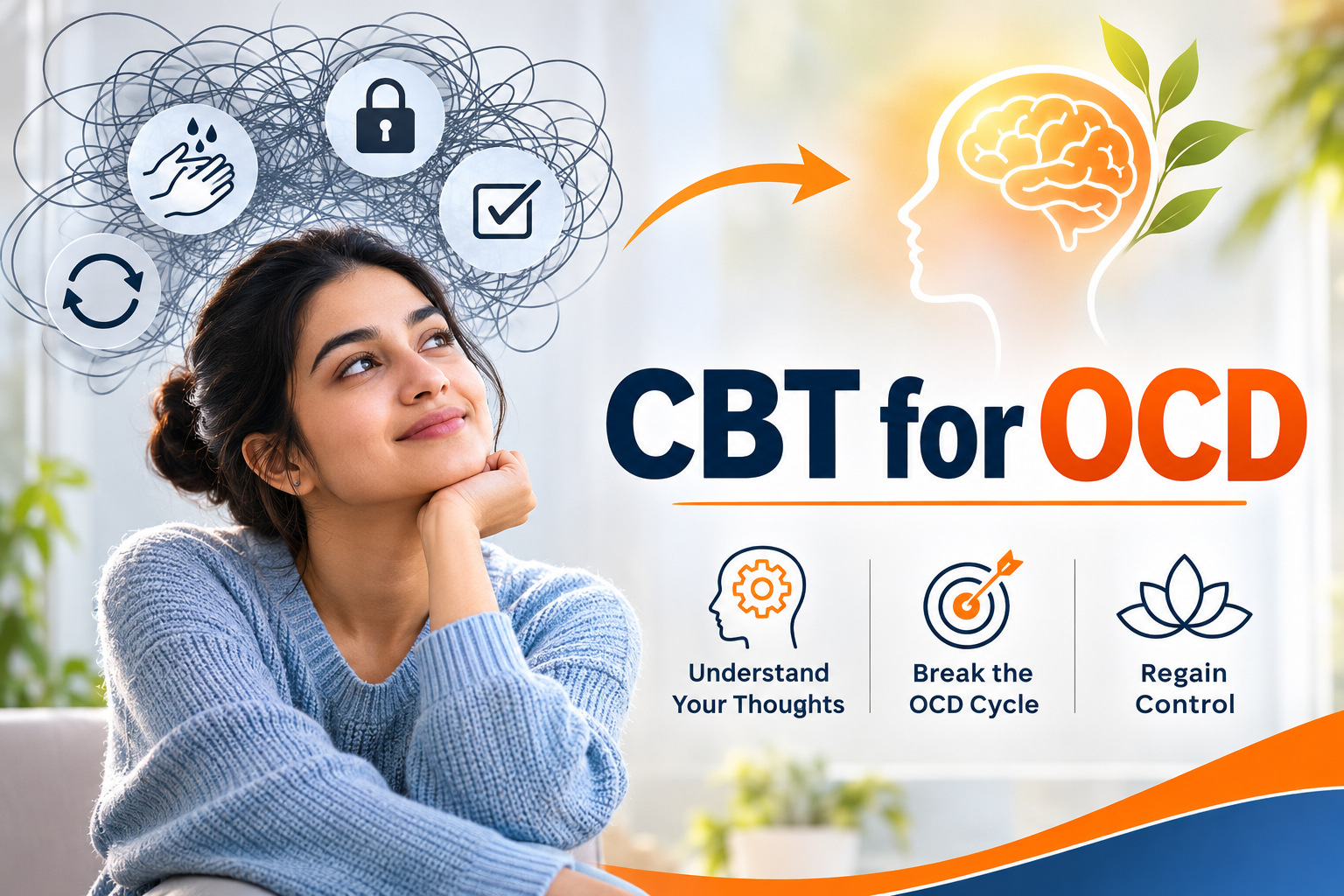
CBT for OCD: How Cognitive Behavioural Therapy Helps You Regain Control Over Intrusive Thoughts and Compulsion
World Brain Center Hospital Highlights Evidence-Based OCD Treatment, Cognitive Restructuring and Exposure & Response Prevention (ERP) for Better Mental Health
New Delhi, India – November 2026: Repeated unwanted thoughts, excessive doubts, constant checking, cleaning rituals and an overwhelming need for things to feel perfectly right can gradually take control of everyday life. These experiences may be associated with Obsessive-Compulsive Disorder (OCD), a mental health condition that can affect personal relationships, professional performance, education and emotional well-being.
Recognizing the growing need for effective and accessible OCD treatment, World Brain Center Hospital, a multidisciplinary psychiatric and mental healthcare institution in Delhi, highlights the importance of Cognitive Behavioural Therapy (CBT) for OCD as an evidence-based psychological treatment that helps individuals understand obsessive thoughts, manage anxiety and gradually reduce compulsive behaviours.
Located near Janakpuri and Dwarka in West Delhi, World Brain Center Hospital provides comprehensive OCD treatment and psychiatric care in Delhi, supported by clinical psychology, psychiatric evaluation, counselling and individualized treatment planning.
Understanding OCD: When Unwanted Thoughts Become Difficult to Control
Obsessive-Compulsive Disorder is characterized by two major patterns:
• Obsessions: Repeated, unwanted and intrusive thoughts, images or urges that cause distress, anxiety or uncertainty.
• Compulsions: Repetitive behaviours or mental rituals performed to reduce anxiety or prevent a feared outcome.
Common OCD symptoms may include:
• Repeated handwashing and excessive cleaning.
• Constant checking of doors, switches and appliances.
• Fear of contamination, germs or illness.
• Repeated doubts and a need for reassurance.
• Counting, arranging and ordering rituals.
• Intrusive thoughts that cause guilt or distress.
• Excessive perfectionism and fear of making mistakes.
• Repeating certain actions until they feel just right.
Although these behaviours may temporarily reduce anxiety, they can reinforce the OCD cycle and consume significant amounts of time.
How Cognitive Behavioural Therapy Helps Treat OCD
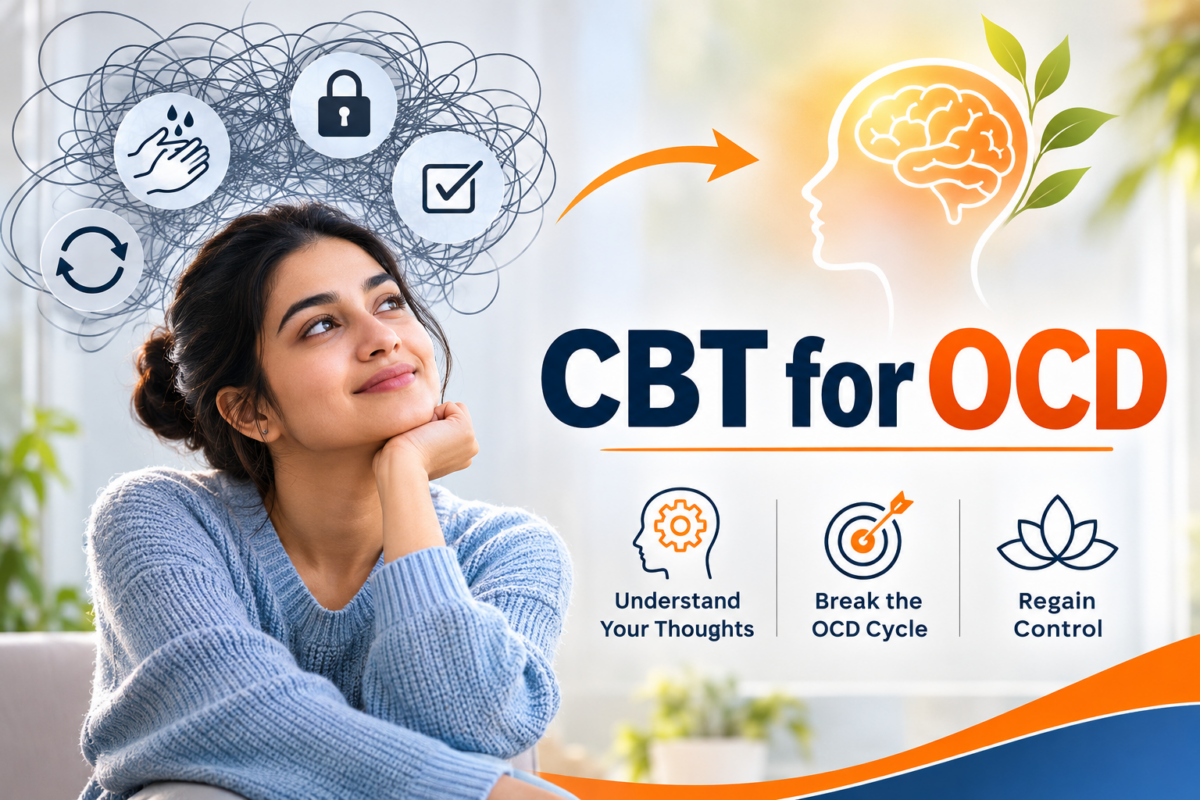
Cognitive Behavioural Therapy (CBT) is a structured, evidence-based psychological treatment that helps individuals identify the relationship between thoughts, emotions and behaviours.
For OCD, CBT commonly incorporates Exposure and Response Prevention (ERP), an established therapeutic approach that helps individuals gradually face anxiety-provoking situations without performing the associated compulsions.
Through professionally guided sessions, individuals learn to:
• Recognize obsessive thought patterns.
• Understand triggers and compulsive responses.
• Challenge unhelpful beliefs and interpretations.
• Develop healthier responses to uncertainty.
• Gradually reduce repetitive rituals.
• Improve emotional regulation.
• Build confidence in everyday situations.
• Develop strategies to manage OCD symptoms over time.
The objective is not to eliminate every unwanted thought but to reduce the distress and compulsive responses associated with those thoughts.
For individuals seeking professional psychological support, World Brain Center Hospital also provides clinical psychology and counselling services to address emotional, behavioural and psychological concerns.
Exposure and Response Prevention (ERP): Breaking the OCD Cycle
ERP is an important component of CBT for OCD. It involves gradually confronting situations, thoughts or triggers that generate anxiety while learning to resist the urge to perform compulsive behaviours.
For example, someone who repeatedly checks whether a door is locked may gradually practise checking it once and then moving forward without repeating the ritual.
Similarly, an individual experiencing contamination-related OCD may work with a qualified therapist on carefully planned exposure exercises.
The process is collaborative, gradual and tailored to the individual's symptoms, readiness and treatment goals.
With consistent professional guidance, ERP can help individuals develop greater tolerance for uncertainty and reduce their dependence on compulsive behaviours.
Comprehensive OCD Treatment at World Brain Center Hospital
At World Brain Center Hospital, psychiatric and psychological care focuses on understanding each patient's symptoms, clinical history and individual treatment requirements.
A comprehensive OCD treatment plan may involve:
1. Psychiatric Evaluation
Detailed clinical assessment to understand OCD symptoms, their severity, associated conditions and their impact on daily functioning.
2. Cognitive Behavioural Therapy (CBT)
Structured psychological interventions to identify unhelpful thought patterns and develop healthier coping strategies.
3. Exposure and Response Prevention (ERP)
Gradual, professionally guided exposure exercises to help patients reduce compulsive responses.
4. Medication Management
Psychiatric evaluation and appropriate medication where clinically indicated, particularly when symptoms are moderate to severe or psychological treatment alone is insufficient.
5. Anxiety and Stress Management
Therapeutic support to improve emotional regulation and manage anxiety associated with obsessive thoughts.
6. Family Counselling
Guidance for family members to understand OCD and provide appropriate support without unintentionally reinforcing compulsive behaviours.
7. Relapse Prevention and Follow-Up
Ongoing monitoring and strategies to maintain progress and manage future symptom fluctuations.
Treatment recommendations are individualized according to clinical assessment and patient needs.
Patients and families can also explore the hospital's psychiatric and mental healthcare services to understand the range of professional support available for different mental health conditions.
When Should You Seek Professional Help for OCD?
Many individuals delay seeking treatment because they feel embarrassed about their thoughts or believe they should be able to control their behaviours independently.
However, professional evaluation is important when:
• Intrusive thoughts repeatedly disturb your peace of mind.
• You spend excessive time checking, cleaning or repeating actions.
• You experience difficulty controlling repetitive thoughts.
• OCD rituals interfere with work, studies or relationships.
• You frequently seek reassurance from family members.
• Anxiety increases when you try to resist compulsive behaviours.
• Your daily routine is increasingly controlled by obsessive thoughts.
Early professional intervention can help individuals understand their condition and access appropriate treatment.
Why Choose World Brain Center Hospital for OCD Treatment?
World Brain Center Hospital is committed to providing comprehensive psychiatric and psychological healthcare through a patient-centred approach.
Key aspects of its mental healthcare services include:
• Comprehensive Psychiatric Assessment and Diagnosis.
• Clinical Psychology Services.
• Individualized Treatment Planning.
• Psychological Counselling and Therapy.
• Medication Management.
• Inpatient and Outpatient Psychiatric Care.
• Family Counselling.
• Rehabilitation and Follow-Up Support.
• Confidential and Compassionate Patient Care.
The hospital aims to create a supportive environment where individuals can discuss their mental health concerns and receive appropriate professional guidance.
Take the First Step Towards Managing OCD
OCD can be challenging, but effective treatments are available. With appropriate psychiatric care, structured CBT, ERP and continued professional support, many individuals can experience meaningful improvements in their symptoms and everyday functioning.
World Brain Center Hospital encourages individuals experiencing persistent intrusive thoughts, repetitive rituals or excessive anxiety to seek a professional psychiatric assessment rather than allowing OCD to continue disrupting their lives.
If you or a family member is looking for professional guidance, you can book an appointment online with World Brain Center Hospital or visit the hospital's contact page for consultation and appointment information.
About World Brain Center Hospital
World Brain Center Hospital is a multidisciplinary psychiatric and mental healthcare institution in New Delhi, India. The hospital provides psychiatric, psychological, neurological, de-addiction and rehabilitation services for individuals experiencing a wide range of mental health conditions.
With a focus on compassionate care, clinical assessment and individualized treatment planning, the hospital strives to support patients and families throughout their mental healthcare journey.
Contact Information
World Brain Center Hospital
Pankha Road, Opposite Janak Cinema,
Near Dabri Crossing, New Delhi – 110045, India.
Appointments: +91-9968788861 / +91-9968788865 / +91-9968788867
Hospital: +91-11-41643347
Website: https://www.wbcindia.in/
Email: [email protected]